Dynamic Ankle Dorsiflexion
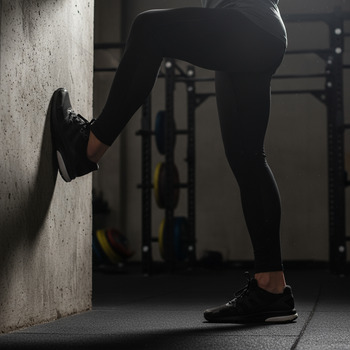
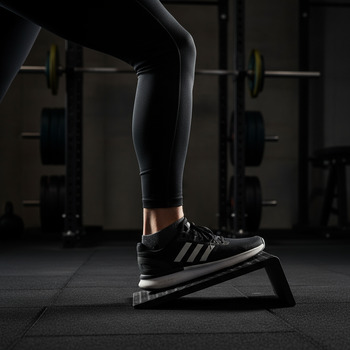
Better dorsiflexion equals cleaner squat depth and less heel lift. Slow rock for 10–12 reps.
At Elevate Athletic we train for real life: reliable strength, resilient joints, and stamina that endures beyond the gym floor. Our coaching blends science-backed programming with practical cues so you move better, lift smarter, and feel sharper every week.
Located in India, our space is designed to keep you focused: clear layout, calibrated equipment, and a tempo that pushes you just enough. Whether you’re chasing your first pull-up or a new total on the platform, we make progress measurable and sustainable.


We periodize training into crisp four-week blocks so you always know what to do and why it works. Foundation builds positions, Load adds weight with control, Peak sharpens intensity. Simple, proven, repeatable.
Numbers show relative emphasis this block. You’ll feel the balance: enough work to progress, enough margin to recover.



Gimmicks fade. Positions and intent stay. Our coaching trims noise and turns three pillars into habits you can keep for years.
We map your setup so effort lands where it should: stacked joints, stable spine, clean bar path. The result is strength that transfers beyond the platform.
Work you can recover from is the only work that counts. We meter sets and reps against your week, not a hero day.

Tempo teaches control. Intent finishes the lift. We use cues that you’ll remember under the heaviest set.

Ten quiet minutes after lifting keep joints friendly. These drills target the big wins: ankles for squat depth, thoracic rotation for pressing, and hip flexors for stride.
Better dorsiflexion equals cleaner squat depth and less heel lift. Slow rock for 10–12 reps.


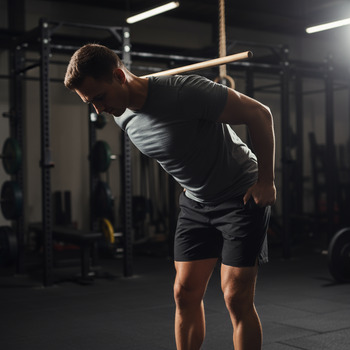
Restore rotation for pressing and breathing efficiency. Pause where ribs stay down.


Length at the front of the hip brings stride and lockout back online. Breathe for 5x5.
Engine days fit around strength work: low impact, clear pacing, measurable breath. We keep effort honest with repeatable sets and plenty of quality recovery.
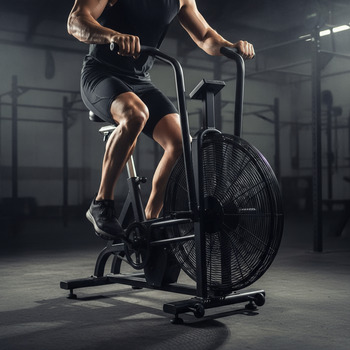
Short, sharp work that won’t wreck leg day. Smooth cadence, tall torso, nose-only cool-down.
Zero eccentric damage, all intent. Great between squat and deadlift days to keep legs fresh.
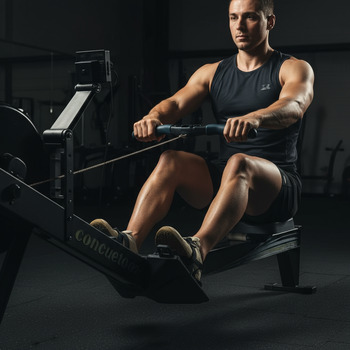
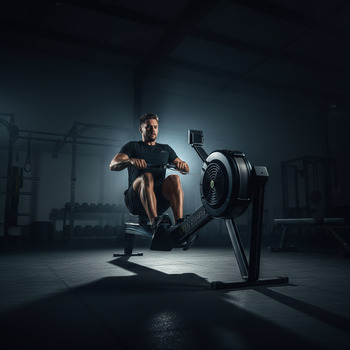
Easy rows with long strokes build aerobic floor without spiking fatigue for pressing.
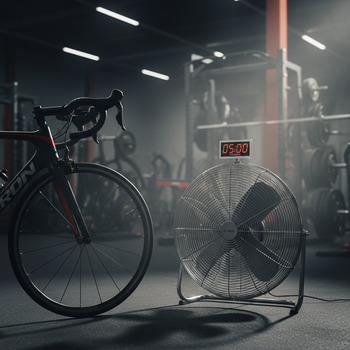
Flush legs, steady nose-in breath. Use on deload week or the day after heavy pulls.
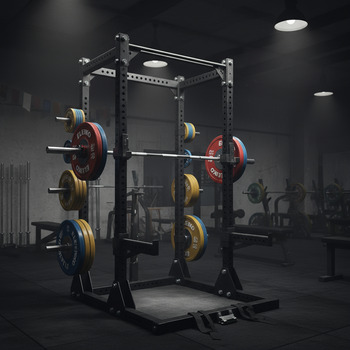
Reliable tools remove noise: knurl you can feel, plates that weigh what they say, turf that glides just right. We choose kit that makes consistency easy.

Accuracy builds trust in your numbers and keeps weekly jumps tidy.
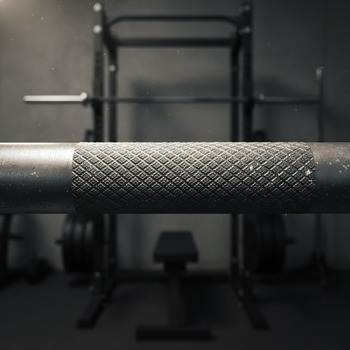
Sticky center knurl, stable back rack, less drift under heavy sets.

Smooth jumps let you build hinges, carries and power without guesswork.
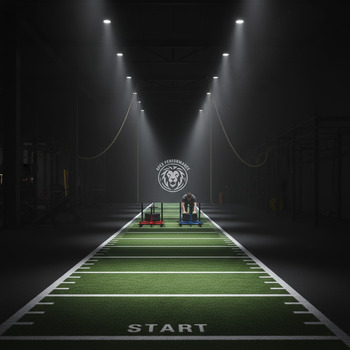
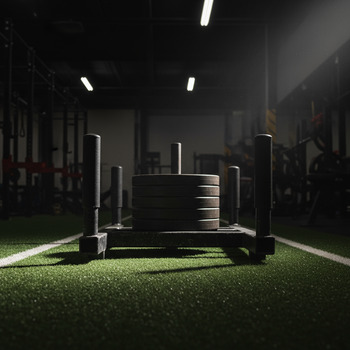
Low-friction push with clear markers for repeatable drives and drags.
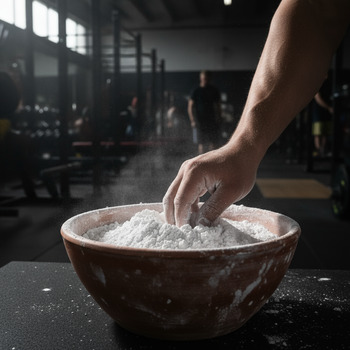
Grip sorted in seconds; bar stays clean and ready for the next lifter.
We don’t chase fireworks. We stack habits you can keep: clear intent, clean logging, weekly reviews, and tiny adjustments that compound into quiet PRs.
Pick two main lifts and one accessory goal for today. Define what “done well” looks like.
Note top sets, RPE, and any cue that clicked. Enough detail to repeat success next week.
Scan trends: bar speed, sleep, appetite. Adjust volume before intensity; quality before quantity.
Non-event personal bests are the goal: crisp lines, calm breath, no drama.
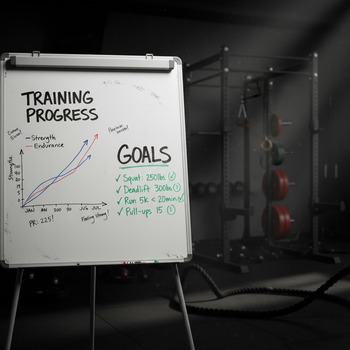


No hype, just consistent training and habits that stick. Two snapshots from our floor.
“I stopped chasing random maxes. Twelve quiet weeks later, my squat feels lighter than ever.” — Neha, Pune

“Logging sessions changed everything. I finally know which cues actually move my deadlift.” — Arjun, Nagpur

Clear lanes keep sessions moving. Platform, turf, and engine areas sit minutes apart.
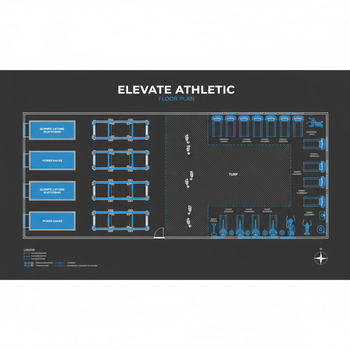
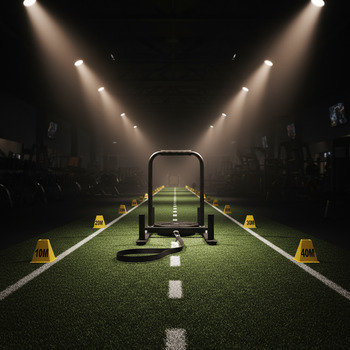
Short cues beat long monologues. Swipe through and take the one you need today.
Let the knee track over the big toe to free depth without collapsing arches.
Row the bar to the chest; lats stay on so the press has a stable runway.
Set lats first; if shins aren’t drifting forward, the bar stays close.
Stack ribcage over pelvis before you press; power goes to the bar, not your low back.
Exhale fully on the slide; stroke gets longer, HR steadier.
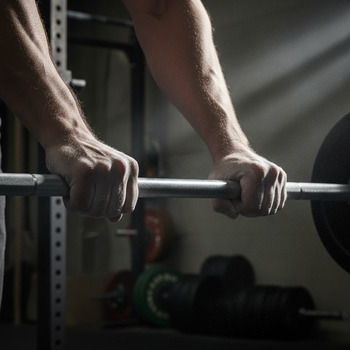
India’s calendar has its own rhythm. We lean into it: monsoon movement, festival balance, summer heat management, and winter strength building.
Grease the groove with hinges and rows. Ankles and T-spine get extra love.
Short sessions with clear intent. Keep one main lift and a simple engine piece.
Lower density, longer rests, nasal recoveries. Hydrate early, lift earlier.
Volume then intensity. Small jumps, perfect lines, quiet PRs.


Choose your lane: strength blocks, engine hours, or a quiet mobility reset.

Strong rooms are calm, tidy, and respectful. Keep the pace steady and the space better than you found it.
Alternate sets. Spot each other. Call out when you’re swapping plates.
Chalk stays in the bowl. Wipe benches and bars. Rerack in order.
Big lifts, small voices. Let technique do the talking.
Two cues beat ten. If you want a look, just ask a coach.
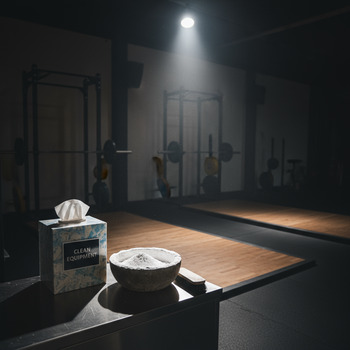
Tiny explanations that solve common sticking points. Open any card and grab one cue for today.
The bar wants to live over mid-foot. If it drifts forward, hips shoot back and knees lock. Think “knees over big toe, ribs tall, sit between the heels.”
Long relaxed exhale to neutral ribs → small inhale into belt → hold while moving. Your spine stays stacked; legs do the work.
If shins drift, the bar leaves you. Pin the lats (armpits to pockets), feel hamstrings long, push the floor away.
Row the bar to the same spot each rep. On the way up, keep forearms vertical and finish with stacked wrist-elbow-shoulder.
Hard drive, soft slide. Exhale fully on the slide, hit the catch tall. Long strokes make heart rate behave on engine days.
Shift hips back like closing a car door. Shins stay near vertical, spine long, ribs down so hinge stays in the hips, not low back.
Clear, no-nonsense policies so training stays simple and predictable.
No. We onboard beginners with a short technique block and simple engine work. You’ll learn positions first, load second.
Most members do 3–4 sessions weekly. We prefer consistent weeks over heroic single days, with one mobility reset after lifting.
Not here. We program low-impact pieces around main lifts: sleds, rower, and easy spins that respect recovery.
Yes. We run “festival mode”: shorter sessions with one key lift and a 10-minute engine. Keep the habit, keep the momentum.
Absolutely. Ask a coach on the floor for two concise cues. We keep feedback specific so you can apply it the same day.
We don’t diagnose. We adjust training around the issue, keep positions clean, and refer to trusted clinicians when needed.
Ready to map your first block? Head to Programs and pick a lane.