Week 1 — Position First
Tempo & Pauses
Rehearse setups and own the bottom positions. We teach tempo so lines hold when plates go up.
Skill
Volume
Intensity

Three tracks, one language: positions first, honest pacing, small jumps that add up. Pick the lane that matches your week and let the cycle do the heavy lifting.
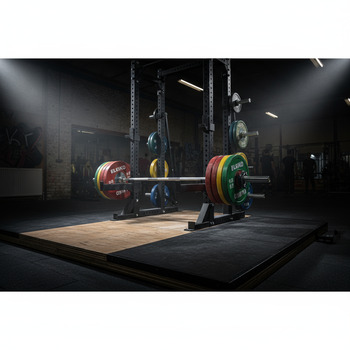
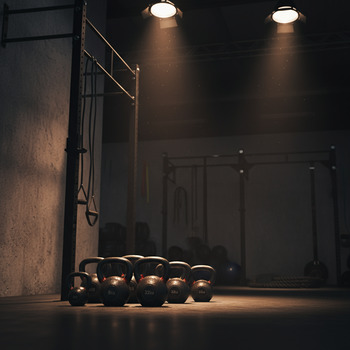

Scroll the weeks. We front-load skill, then add work, then peak and pull back.
Tempo & Pauses
Rehearse setups and own the bottom positions. We teach tempo so lines hold when plates go up.
Volume Before Intensity
We turn up volume with humane jumps. Breathing stays calm; bar paths stay predictable.

Hold Lines, Breathe Long
Same plan, cleaner execution. We keep small jumps and let technique carry the load.
Top Sets, Then Breathe
Hit one or two confident top sets, then reduce work. The aim is crisp reps, not circus numbers.

All tracks share technique standards. Choose based on time, recovery, and goals.


We chase repeatable improvements, not single-day heroics. Micro plates, steady bar paths, and clear exit points keep progress tidy across months.
Fill levels show relative weekly emphasis in the current block.
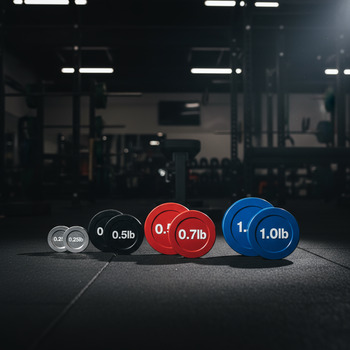


Accessories are levers, not noise. Each card shows the intent behind the move — flip to read the cue.

Locks the press path by giving lats a job. Keep ribs quiet and row to the same spot.
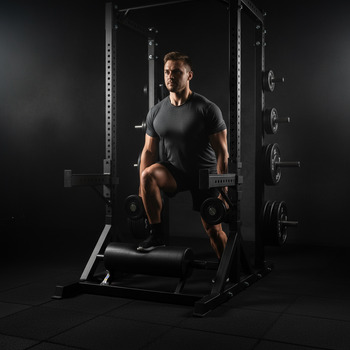
Balances squat pattern and cleans up the sticking point with time under tension.

Upper back strength for better shoulder position on pressing and pulling days.
Low-impact pieces that sit around strength days. Dials show suggested effort.
5 × 4 min @ 18 spm, 1 min easy. Nose breathing; stroke long.
10 × 15–20 m, walk-back rest. Zero eccentric damage.
20–25 min easy, Zone 2, full exhale on the slide.


Clear standards remove guesswork. We demo the rep, name the intent, and show a common mistake so you can self-correct on the spot.
“Knees over big toe, sit between heels.”


Hover the photo: you’ll see the fault we fix first — knee collapse and heel lift.
“Row it down, press it up.”

Three example microcycles. Same language, different emphasis. Use them as a template for your month.
Ten quiet minutes go a long way. Breathe long, move slow, sleep on time.
Exhale fully, pause 2–3s, sniff in calmly. Five rounds between sets tames the heart rate.

Slow scan for hot spots, then hold. Two minutes per area is plenty. Finish with three calm breaths.

We test to guide training, not to win a single day. These checkpoints are repeatable, low-drama, and tell us exactly what to do next.
“Leave one in the tank.”

Long drive, soft slide.
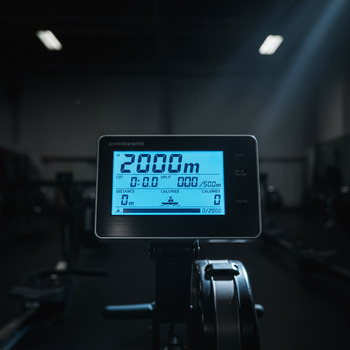
Zero eccentric, all intent.
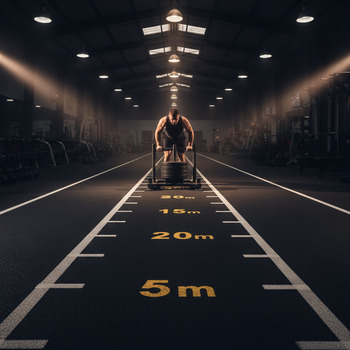
Quiet eyes, precise cues. Meet the crew that keeps sessions calm and effective.



No join fee, no tricks. Pick a pass that matches your rhythm; switch anytime at block breaks.
4 weeks · structured plan
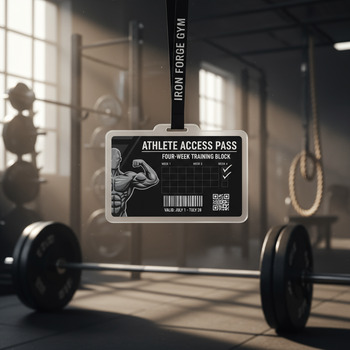
all-day access · calm lanes
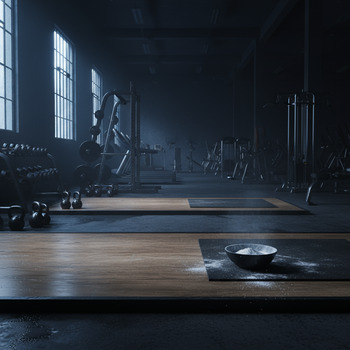
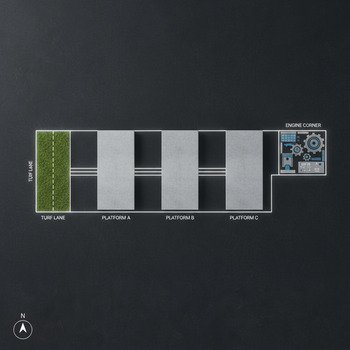
Your session flows better when tools sit close. Platforms, turf, and engine corner are only a few steps apart.
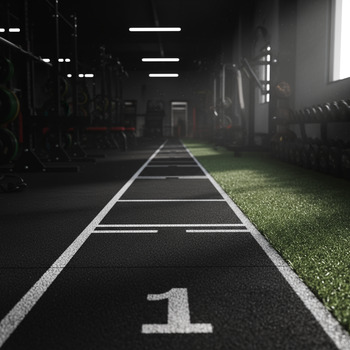
Simple start, steady rhythm. Four touchpoints to make training feel natural fast.
Learn our cues: ribs tall, knees over big toe, shins quiet. Light plates, long breath.
We add work with micro jumps. Technique stays identical to week one.
Coach checks notes and trims noise. Sleeves, shoes, and setup are consistent.
Collect a quiet PR or two, then breathe and pull back for the next block.
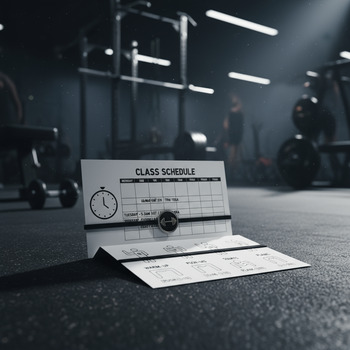
A one-page planner to keep on the fridge: weekly times, accessory focus, and space for engine pieces.
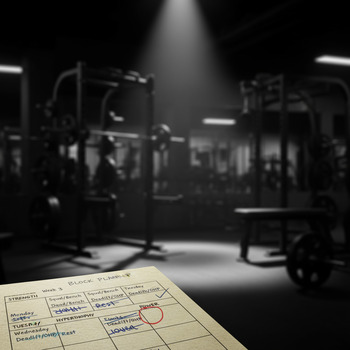
Fill in your main lifts, note the cue that matters, circle the recovery slot. Small handwriting, big progress.
Curious how it looks in action? Check today’s floor in the Gallery.